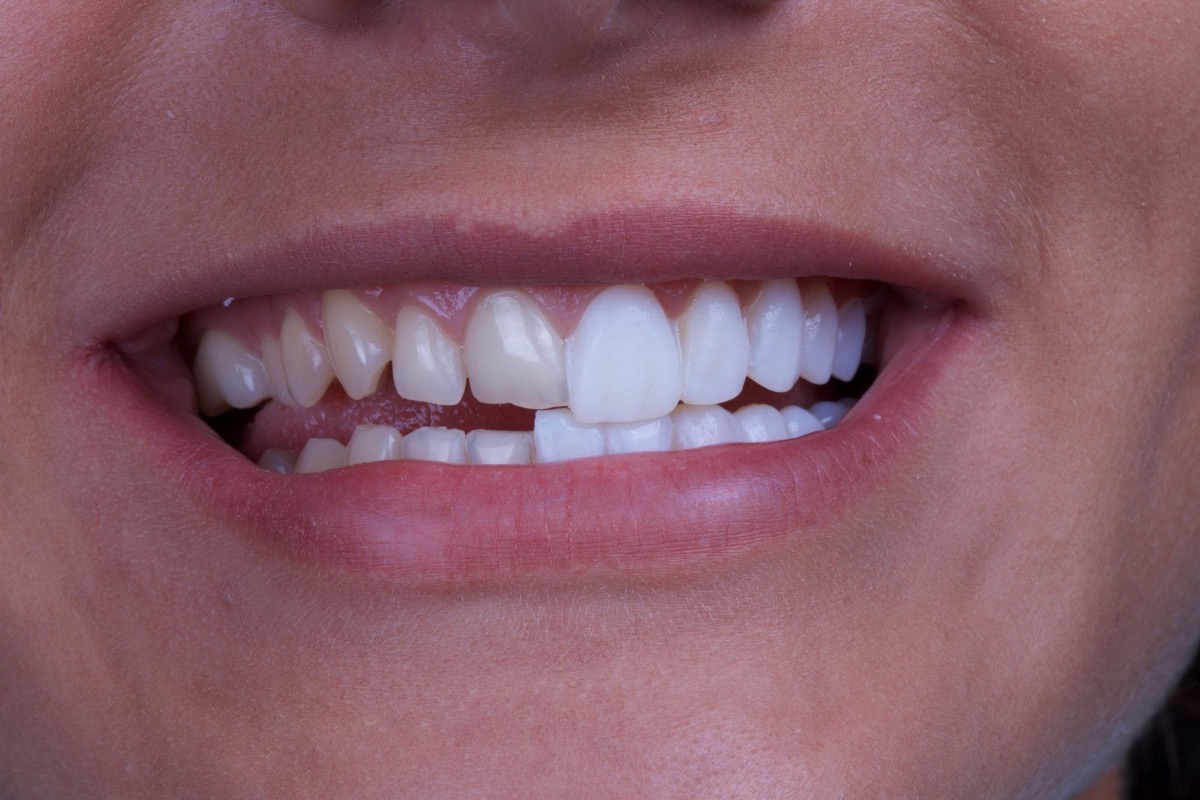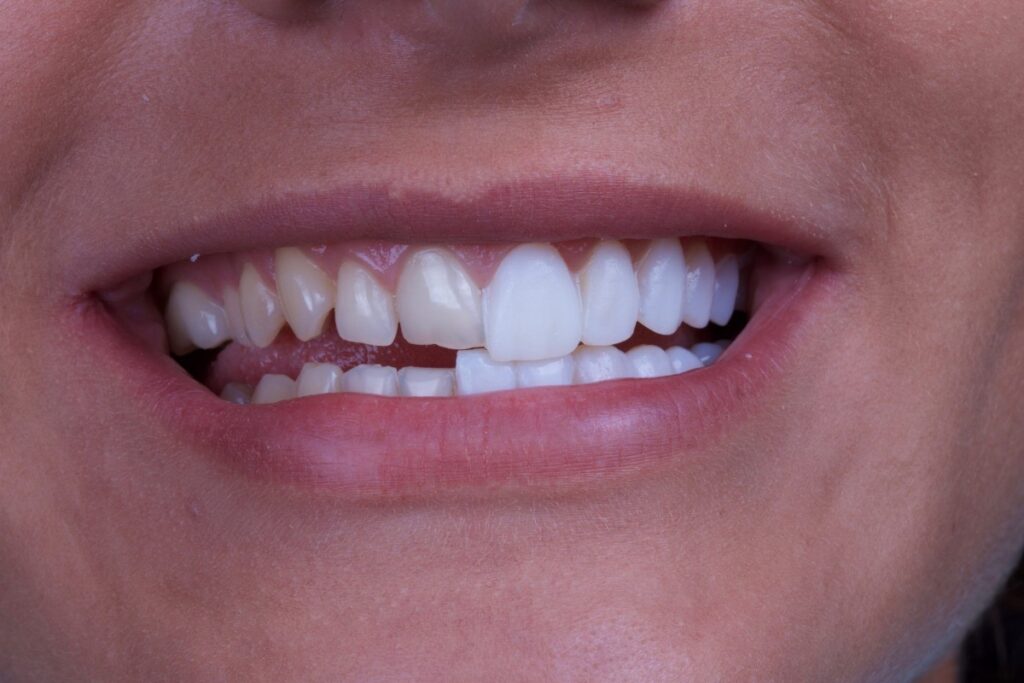
Dental veneers are thin shells of ceramic or composite material bonded to the front surface of the teeth, making them one of the most versatile procedures in cosmetic dentistry. Also known as porcelain laminate veneers, this treatment can address a wide range of concerns — from discolouration and chips to gaps and shape irregularities — in a single procedure.
In this guide, we will cover what dental veneers are, who makes a good candidate, how the treatment works step by step, and how to ensure they last for many years to come.
What Are Dental Veneers?
The word “laminate” (or “lamine” in Turkish) derives from Italian and means “thin layer.” In dentistry, veneers are ultra-thin ceramic or composite shells — approximately 0.3 to 0.7 mm thick — bonded to the front surface of a tooth. Thinner than a fingernail, these shells closely mimic the natural appearance of tooth enamel, and in many cases produce a brighter, more even smile than the original.
Porcelain veneers are the most widely used option in aesthetic dentistry because they reflect light in a way that closely resembles natural enamel, resist staining, and offer excellent longevity compared to composite alternatives.
What Problems Do Veneers Solve?
Dental veneers can effectively address a wide variety of cosmetic and minor structural concerns:
Tooth Discolouration: Severe yellowing that cannot be corrected by teeth whitening, stains from tea, coffee or tobacco, and grey or brown discolouration caused by tetracycline antibiotics can all be concealed comprehensively with veneers.
Shape and Size Irregularities: Teeth that appear short, small or pointed can be reshaped into a balanced, proportionate form with veneers.
Chips and Surface Cracks: Minor chips or superficial cracks can be repaired with veneers, restoring both aesthetics and a degree of structural protection.
Diastema (Gaps Between Teeth): Small gaps between the front teeth can be closed with veneers without compromising gum health.
Mild Misalignment: For patients who are not ready for orthodontic treatment or wish to see rapid results, mild irregularities can be visually corrected with veneers.
Who Is a Good Candidate for Dental Veneers?
Veneers are not suitable for every patient. Certain criteria must be met for the treatment to be successful and long-lasting:
Suitable Candidates:
- Individuals with healthy tooth enamel and sufficient enamel thickness
- Those who do not grind their teeth (bruxism), or who are willing to wear a night guard
- Patients with healthy gum tissue
- Those who maintain good general oral hygiene
Unsuitable Conditions:
- Significant enamel loss or active tooth decay
- Untreated gum disease
- Severe bruxism (teeth grinding or clenching)
- Bite problems that create excessive pressure on the front teeth
For this reason, the decision to proceed with veneers should only be made after a thorough clinical examination, and in some cases imaging, by your dentist.
How Does the Veneer Procedure Work?
Veneer treatment is typically completed in 2 to 3 appointments.
1. Consultation and Planning
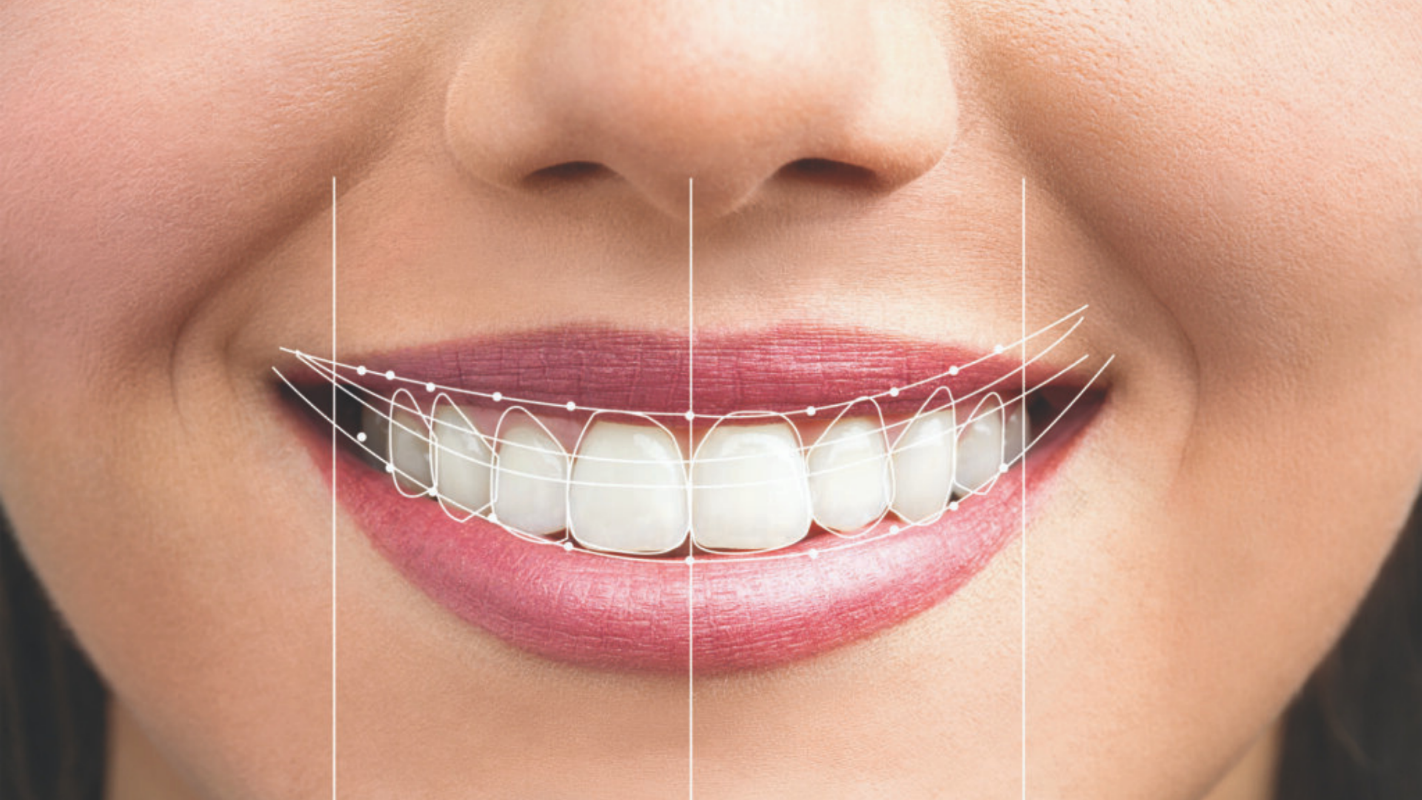
Your dentist evaluates the current condition of your teeth, listens to your expectations, and presents a preview of the likely outcome using digital smile simulation or wax mock-up modelling. The target shade and shape are agreed upon together at this stage.
2. Tooth Preparation and Impressions
A very thin layer (approximately 0.3–0.5 mm) is removed from the surface of the front teeth. This is performed under local anaesthesia so the patient feels no discomfort. Precise digital or conventional impressions are then taken and sent to the dental laboratory. The patient leaves with temporary veneers in place during this period.
3. Bonding Appointment
The custom-made porcelain veneers returned from the laboratory are tried in, checked for colour, fit and aesthetics, and approved by the patient. They are then permanently bonded to the teeth using a special dental adhesive and cured with UV light. Minor adjustments are made and the patient leaves with their new smile.
Veneers vs. Zirconia Crowns: Key Differences
| Feature | Veneers (Laminate) | Zirconia Crowns |
|---|---|---|
| Tooth reduction | Minimal (0.3–0.7 mm) | More significant (1.5–2 mm) |
| Coverage area | Front teeth, front surface only | All teeth, full coverage |
| Aesthetics | Exceptionally high | High |
| Durability | High | Very high |
| Best suited for | Cosmetic concerns | Structural damage, back teeth |
In short, veneers are the more tooth-conservative choice. However, the decision is always based on the clinical findings and the individual condition of each tooth. For detailed information on zirconia crowns, visit our Zirconia Crown Guide.
How Long Do Dental Veneers Last?
With the right material choice, a skilled clinician and consistent oral care, porcelain veneers can last 10 to 20 years without issue. The key factors that influence their lifespan include:
- Daily brushing with a fluoride toothpaste and regular flossing
- Wearing a night guard if you grind your teeth
- Avoiding biting hard objects with your front teeth (ice, pens, nails)
- Rinsing after consuming coffee, tea or red wine
- Regular dental check-ups (twice a year)
Aftercare Tips for Veneers
Veneered teeth require the same standard of care as natural teeth, with a few small differences worth noting:
- Use dental floss or interdental brushes regularly to prevent plaque build-up at veneer margins.
- Avoid abrasive or whitening toothpastes, which can damage the ceramic surface.
- Break habits such as ice chewing, pen biting and nail biting — these can crack veneers.
- Rinse your mouth after drinking coffee, tea or red wine.
- At each annual check-up, ask your dentist to assess the veneer margins and bonding integrity.
Frequently Asked Questions
Are dental veneers painful? The procedure is performed under local anaesthesia, so no pain is felt during the appointment. Some mild sensitivity may occur for a few days after the anaesthesia wears off.
Do veneers stain or yellow? Porcelain veneers are far more resistant to staining than natural teeth. With regular care they retain their brightness for many years.
Can veneers be removed once placed? Because a thin layer of enamel is removed during preparation, the process is irreversible. It is important to discuss this fully with your dentist before committing to treatment.
How many teeth can be veneered? Typically between 6 and 10 upper front teeth are treated together, though a single tooth can also be veneered. The number is guided by symmetry and colour matching.
Can veneers be combined with smile design? Yes. Dental veneers are a key component of Smile Design (Digital Smile Design) treatment. A digital simulation is created first, followed by the full treatment plan.
Conclusion
Dental veneers offer maximum aesthetic results with minimal tooth reduction, making them one of the most effective tools in modern cosmetic dentistry. Able to resolve multiple concerns — colour, shape and gaps — in a single treatment course, they represent both a practical and visually powerful choice.
To find out whether you are a suitable candidate, you are welcome to book a complimentary consultation at Etemoglu Dental Clinic. Our expert team at the prestigious Ataköy Towers location in Istanbul will prepare a personalised treatment plan just for you.
This content is for informational purposes only and does not constitute medical advice. Please consult a qualified dentist before making any treatment decisions.
Follow us on Instagram!